






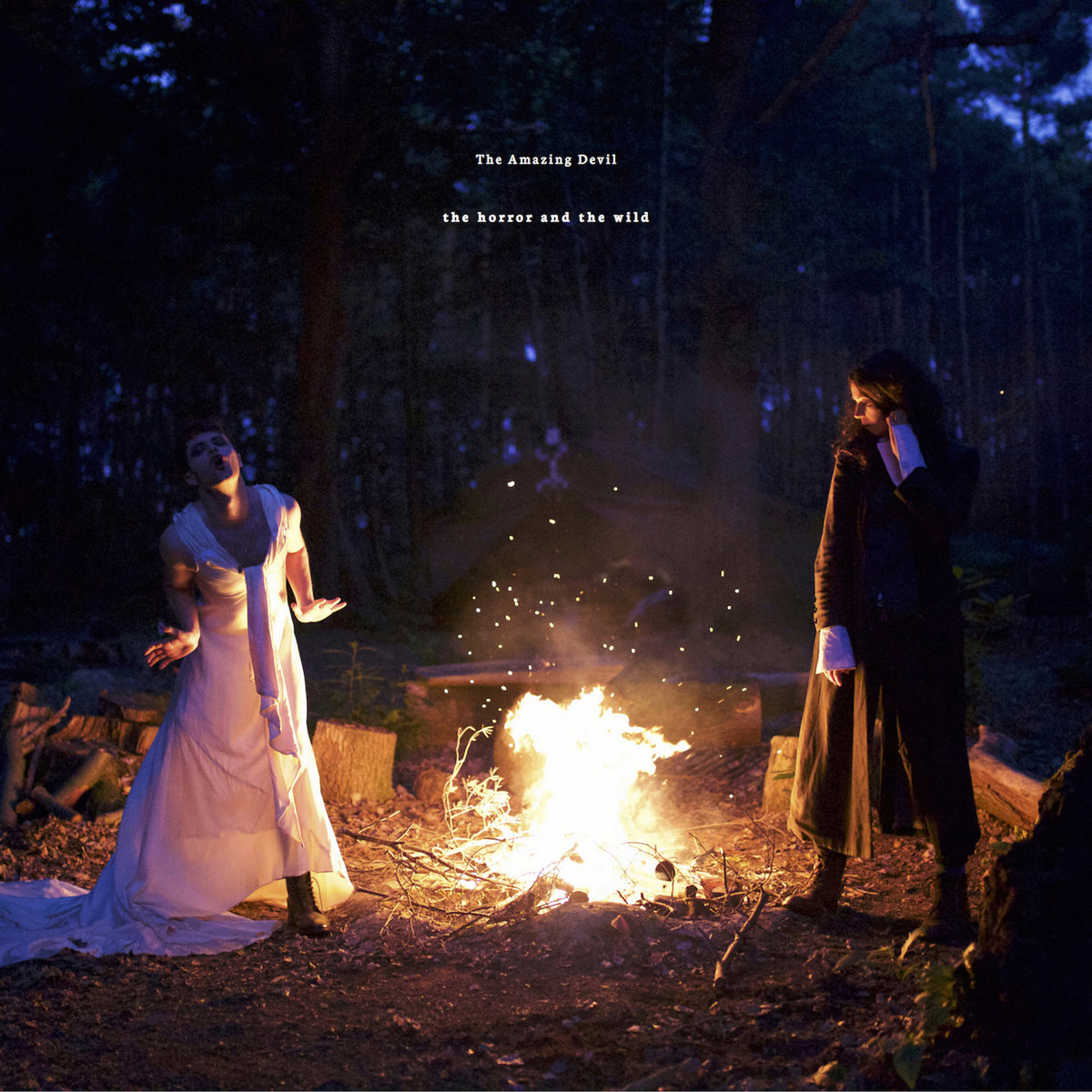


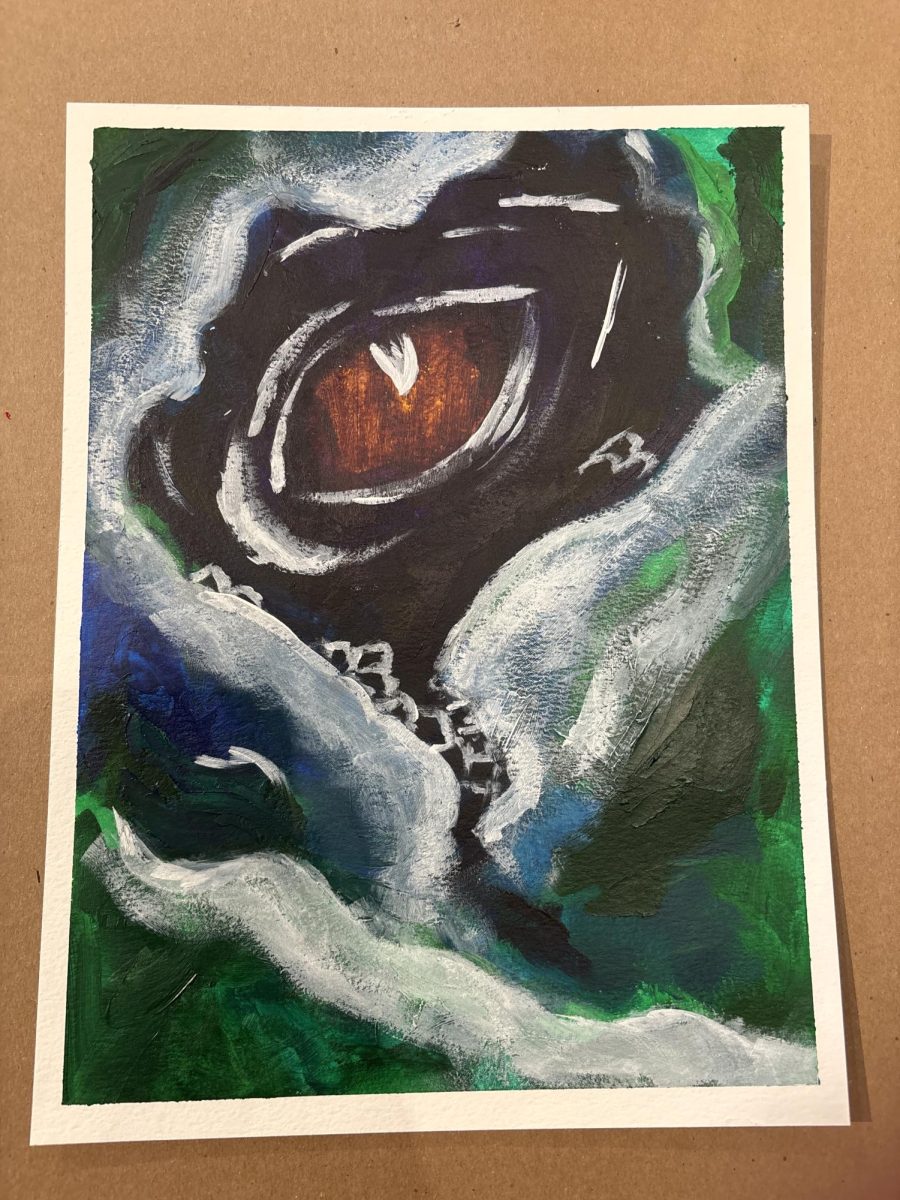







Do you like clothes that give of a cottage-core, goth-girl, or clean-girl aesthetic? Or do you want to compound yourself into the “it-girl” who’s effortlessly cool, intelligent, and pretty? (Can’t go without the honorary
mention to Elle Woods here) Maybe you already know you’re a boho-chic, bordering on coastal-chic type of gal?
Regardless of the “vibe” or “aesthetic” you identify with or are striving for, have you ever wondered why? Why do we crave these Pinterest-perfect, romanticized lifestyles?
The Oxford dictionary definition of “aesthetic” is “a set of principles underlying and guiding the work of a particular artist or artistic movement.” The mainstream, Gen-Z definition of “aesthetic,” however, is a lot closer to an identity label. Now there’s a lot of negative thought processes surrounding the term identity labels. Nobody wants to fit into a box, or be a cookiecutter character who is typical and easy to predict. So then why are aesthetics and vibes all the rage today?
The answer is simple: We crave safety and stability in the midst of chaos. It’s a well known fact that life can get busy–school, grades, friends, relationships, family issues, etc. There are about a gazillion reasons and events surrounding us that we can’t control. But what we can control is the way we dress, talk, and present ourselves to this disorderly world; the way our room is furnished, decorated, and customized. And so we do everything in our power to carve out a little space for ourselves where everything is just right–perfectly secure and sheltered. According to an article titled “In Love with the Look: The Psychology behind Our Obsession with Aesthetics.” by Medium, “Aesthetics become tiny acts of control.” We buy the candles, art prints, and throw pillows that are marketed to match our vibe. Convincing you that you are missing an essential part of your identity that you can easily fill by giving up a few bucks is a surefire way for companies to make massive gains.
Don’t get me wrong though, longing to match an aesthetic isn’t just about control. In fact, aesthetics can even become an emotional regulation mechanism. Picture walking into a dark and cluttered room versus a clean, airy, and organized one–the shift in mood between the two spaces is remarkable. That’s how much control the look of things can have on us. An article by Sanctum Med + Wellness, “Beyond Beauty: How Aesthetics Contribute to Mental Health” explores how the colors, set-up, and natural light inside a room really affects our psyche. So while we might associate being aesthetic with just being pretty, it’s more than that, “It’s a way to care for your mind and emotions.”
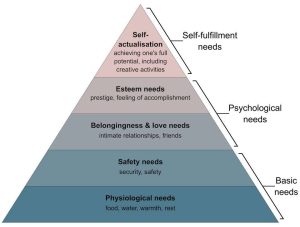
Source: https://ozchen.com/wp-content/uploads/maslov-hierarchy-needs-money.jpg
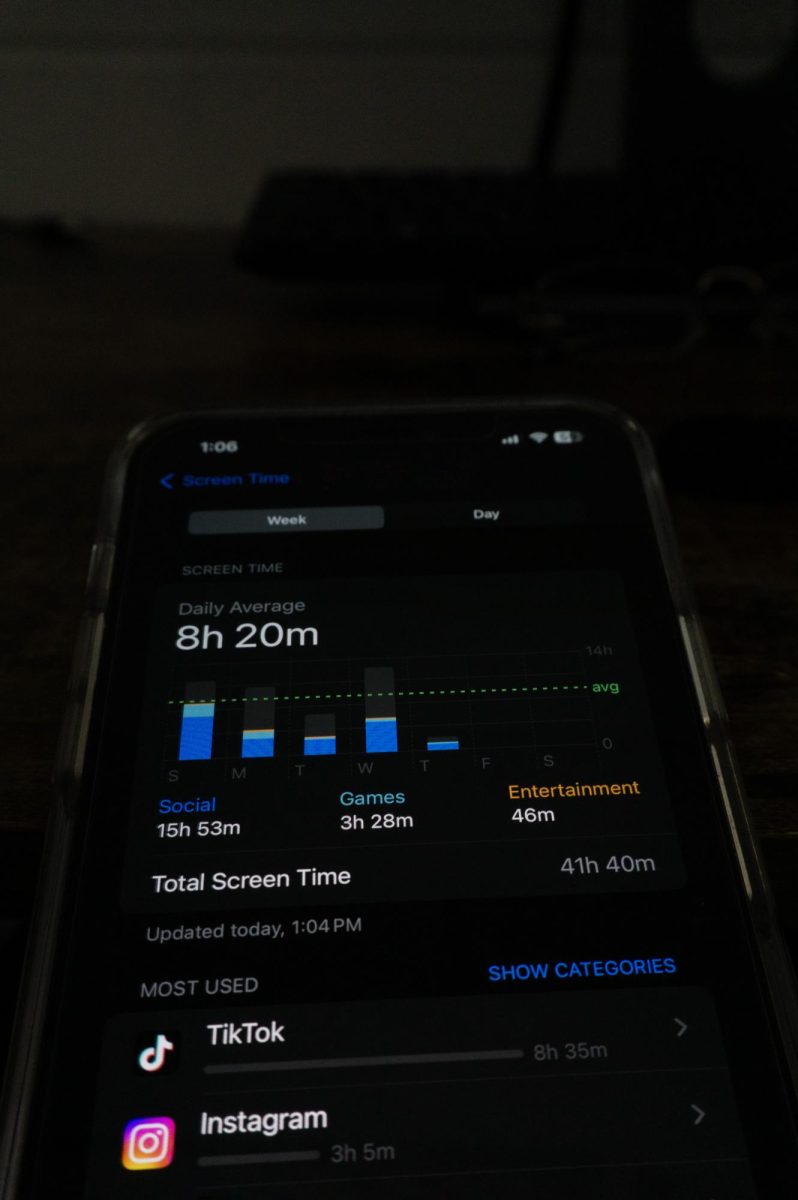
If you’re reading this and thinking, am I just supposed to take your word for it? Or maybe you’re just a more technical person who bases their beliefs on scientific concepts, don’t worry–I have food for your thought-process too. American Philosopher and Psychologist, Abraham Maslow, pioneered the concept of self-actualization, which describes an individual who has reached their full potential and is now content/happy with their existence. To outline the path to self-actualization, Maslow created a hierarchy of needs that you need to fulfill to reach true contentment. According to a Scientific Journal from the National Library of Medicine, “Maslow proposed that when people’s aesthetic demands are met, they become more emotionally fulfilled and engaged with their environment and activities.” The scientific journal goes on to explain the more biological aspect of this idea to explain the reasons behind this. Recall the last time someone caught you doomscrolling and said it’s messing with your brain’s dopamine system? What exactly is dopamine anyway?
Dopamine is your brain’s reward system. In short, whenever you do something like finishing a grueling task, enjoying time with your friends, or maybe perceiving beauty through aesthetics, it provides you with a hit of instant pleasure. As such, observing beauty in every-day life provides you with a sense of ease and joy. Maslow’s hierarchy of needs pictured above has two tiers dedicated to psychological needs as well as the reigning self-actualization tier which contains creativity as a self-fulfillment need. And at the end of the day, aesthetics are a form of art just like music, dance, photography, and other forms of creative expression, and they’ll provide you with the same dopamine kick that doomscrolling does.
So the next time you’re feeling stressed, demotivated, or emotionally overwhelmed, maybe going out for some “aesthetic” drinks with your friend or rearranging your room might be what you really need. And Pinterest might be rabbit-hole, but I suppose it can become an essential part of how you define yourself. Now that you know both why we crave aesthetics and why they’re an integral part of our being, go out and explore! You never know, you might just end up stumbling upon who you are.
Works Cited
“Beyond Beauty: How Aesthetics Contribute to Mental Health.” Sanctum Med + Wellness, 12 Apr. 2024, www.sanctumwell.com/uncategorized/beyond-beauty-how-aesthetics-contribute-to-mental-health/.
Dou, Xiaoxiao, et al. “The Way Aesthetic Needs Affects the Relationship between Aesthetic Responsiveness and Creativity.” PLoS ONE, vol. 20, no. 9, 2 Sept. 2025, pp. e0331067–e0331067, pmc.ncbi.nlm.nih.gov/articles/PMC12404458/, https://doi.org/10.1371/journal.pone.0331067.
Rajesh, Sourabhi. “In Love with the Look: The Psychology behind Our Obsession with Aesthetics.” Medium, 12 June 2025, medium.com/@sourabhi.rajesh/in-love-with-the-look-the-psychology-behind-our-obsession-with-aesthetics-e01ae76105ff.