

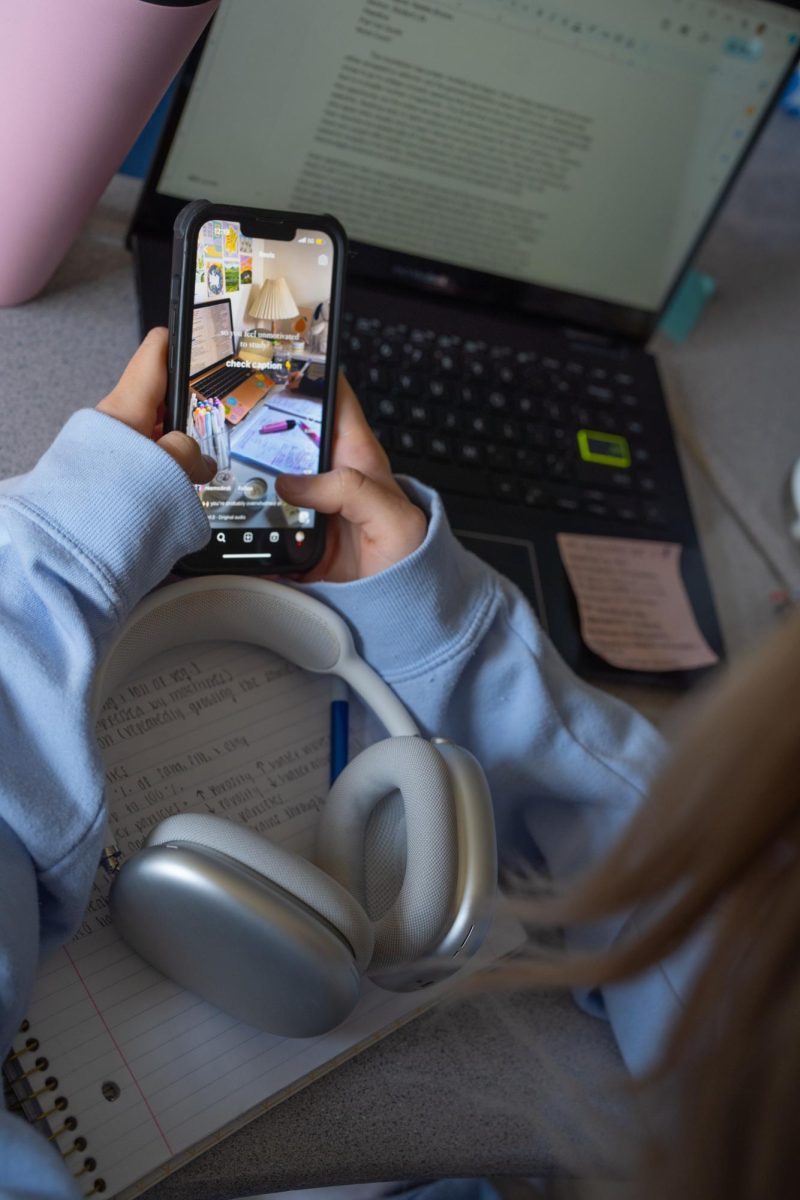












Have you ever had an assignment or a task that you know you need to finish, but for some reason, you just can’t get yourself to do it? The clock’s ticking down, your teacher’s breathing down your neck, your peers are already finished, but you just can’t conjure up the energy to drag yourself out of bed, or stop scrolling on social media to get yourself to do the work.
Well, here’s some good news: You’re not alone. Millions of people everyday struggle with procrastination. It’s interesting that we find ourselves wanting to do nothing, when really so much joy comes to us by doing or finishing something. We crave that relief-filled last question on a worksheet, or the final words of a grueling three page essay.
But before we dive deeper, what exactly is procrastination? Procrastination is defined as the act of delaying or putting off a task even when given sufficient time to complete it. Procrastination is not a casual phase–it’s a serious issue. According to an article from the National Library of Medicine, approximately 80% of college students admit to procrastinating (Parra-González and Segura-Robles). While the statistics themselves are alarming, they beg to be investigated further. Why? Why do people procrastinate despite knowing it is harmful to them?
According to Dr. Monica Band, a licensed professional counselor, there are several different types of procrastination, all with their own motivations and triggers. Some people might find cramming an hour’s worth of work into twenty minutes before the dreaded 11:59 p.m. deadline thrilling. While it may seem silly, the pursuit of an exhilarating experience is not a new concept. We see this across the board with casinos and rollercoaster parks, filled to the brim with people wanting that edge-of-the-seat feeling. Band terms this “Arousal Procrastination,” which is motivated by “…the thrill of last minute experiences.”
Another form of procrastination that is, perhaps, the most common is what Band calls “Avoidant Procrastination.” Have you ever put something off because you know you’re going to suck at it? Maybe an English paper, or maybe some Math homework? Humans are naturally prone to avoiding unpleasant tasks. It’s not surprising that the fear of underperforming prevents people from starting a task.
“Productive Procrastination” is perhaps the most paradoxical type of procrastination out there. It can most accurately be summarized as productivity without purpose. Think about it like this–doing Spanish homework due next week instead of Math homework due tomorrow can’t be entirely defined as procrastination because you’re doing something, just not the right thing. People plagued by productive procrastination often choose the more interesting or easier task to finish rather than the more impending and boring task coming up soon. In the words of Dr. Band, “Instead of altogether avoiding [responsibilities] or [only] engaging in unproductive activities, individuals channel their procrastination tendencies towards tasks that are still valuable or beneficial in some way.”
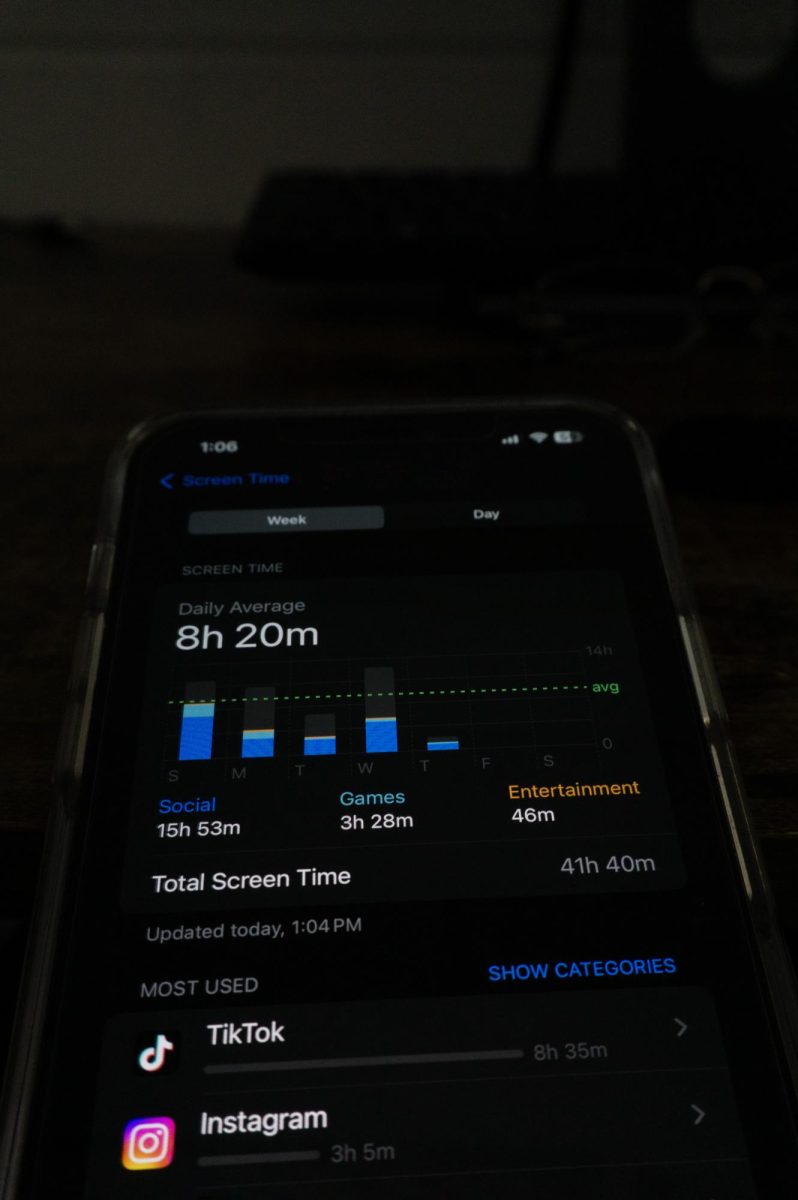
Other major causes of procrastination involve impulsivity and distraction, where individuals impulsively avoid tasks or get side-tracked by something else. Both of which are not surprising in today’s social-media age, where one minute reels and catchy thumbnails are quick to provide the dopamine hit teens crave faster than finishing something truly important.
Now, you may be wondering: You’ve told me all the different types of procrastination and maybe I’ve even identified mine, but what do I do now? Worry not, because we’re also going to explore some solid solutions to these seemingly inescapable cycles of procrastination everyone goes through.
People who’ve identified themselves as suffering from Arousal Procrastination or Avoidant procrastination might find it beneficial to break up their tasks into smaller chunks. This may be common advice, but it really helps. Completing smaller pieces of a whole while remaining punctual can eventually help avoid cramming everything into the last hour before the deadline. Additionally, breaking things up can reduce anxiety, and make anything less overwhelming when considering the bigger picture.
Another important thing to consider when trying to avoid procrastination is creating an actionable plan. This might sound repetitive, because, come on, we’ve all been through the SMART goals in school and maybe they helped and maybe they didn’t. It’s alright either way. When creating an actionable plan for yourself, you have complete freedom to mold it around your everyday schedule, whether it involves school, sports commitments, a job, or even babysitting your siblings, making it an extremely efficient tool to manage workload. And another important thing, don’t be vague. Dr. Band advises, “Formulate specific plans detailing when, where, and how you will work on your tasks…This helps create a mental association between the situation and the intended action, reducing the likelihood of procrastination.” You can write your plan on a piece of paper, or you use online tools like your notes app or calendar. Just try it out!
Other techniques may include teamwork, decluttering and prioritizing completion over perfection. You can try to work with someone who’ll keep you on track. It can be a friend or a teacher, but knowing that someone is holding you accountable for your work can also spur you into action. Another tip might be decluttering, as the more distractions you have in your environment, the more likely you are to lose track of your goal. Also, don’t focus on perfectionism. The more focused you are on doing something perfectly, the less focused you are on getting it done. Yes, you should put in effort, but not so much so that you take 5 hours to finish something that would normally take you 20 minutes.
Lastly, explore! You should try to use the methods I’ve mentioned if you know you suffer from procrastination, but if they don’t work for you, don’t panic! There are so many different ways out there to ensure productivity and stay on track. You can use popular techniques like the Pomodoro technique or reward systems. So finally, I will leave you with this: Just take a deep breath, and get it done.
Sources:
- https://www.verywellmind.com/the-psychology-of-procrastination-2795944#:~:text=Remember%20that%20time%20that%20you,that%20can%20play%20a%20role.
- What is procrastination
- https://pmc.ncbi.nlm.nih.gov/articles/PMC10297372/
- Academic procrastination in College Students Statistics
- https://www.simplepractice.com/blog/the-psychology-of-procrastination/
- Different types of procrastination and quotes from Dr. Band
- https://mcgraw.princeton.edu/undergraduates/resources/resource-library/understanding-and-overcoming-procrastination
- Different techniques to avoid procrastination