






















Why does a quiet room feel louder than a crowded one? Why don’t we take the time to stop and just think. Alone with just our thoughts and nothing more? Why does the absence of noise make people instantly reach for their phones, music, or anything to fill the space? Psychologists say silence is not actually empty. It is mentally active. When external noise disappears, the brain shifts. Thoughts become more clear, emotions become more noticeable, and distractions disappear. This is why silence forces teens to face their thoughts which is something the modern world rarely practices. According to research from the American Psychological Association, the main reason people usually avoid silence is because it forces them to confront thoughts they try to ignore. Especially for teens, that can feel overwhelming.
People currently live in a world that rarely allows silence. From the moment they wake up, there is constant stimulation. Alarms, notifications, conversations, music, and videos fill almost every second of every day. As time passes, the brain gets used to this level of stimulation. This makes silence then feel unnatural and uncomfortable because it breaks that pattern that everyone normalized. Neuroscience research shows that when the brain is not distracted, it activates what is called the default mode network which is essentially a system linked to self reflection and memory (National Institutes of Health). This is why quiet moments can suddenly bring up overthinking, worries, or even random memories.
At the same time, teens are going through a stage of intense emotional and identity development. They are figuring out who they are, what they believe, what they want, and how they fit into this world. Silence speeds that process up. Without distractions, thoughts about school, friendships, the future, and self image hit all at once. Instead of bringing a feeling of calmness, it brings pressure. That is why many teens and adults for that matter instinctively avoid it. Not because they dislike the quiet, but because they are not used to handling everything that comes with it.
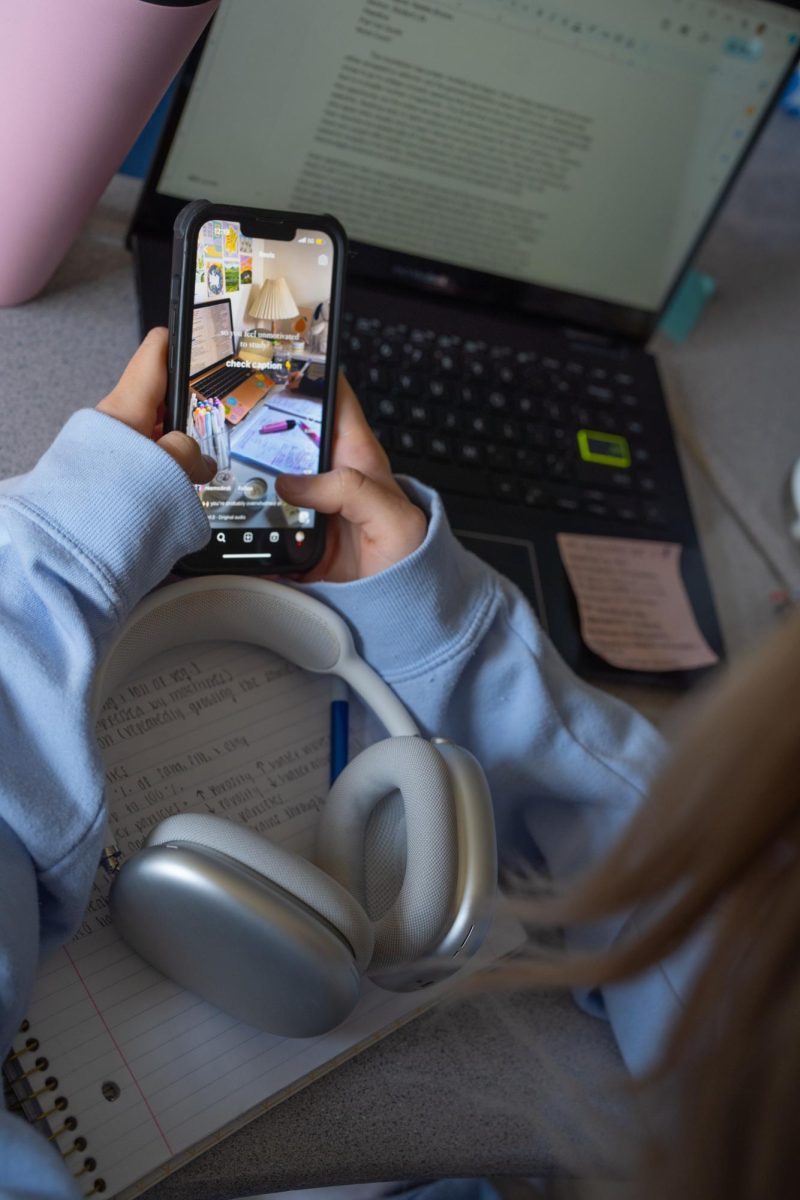
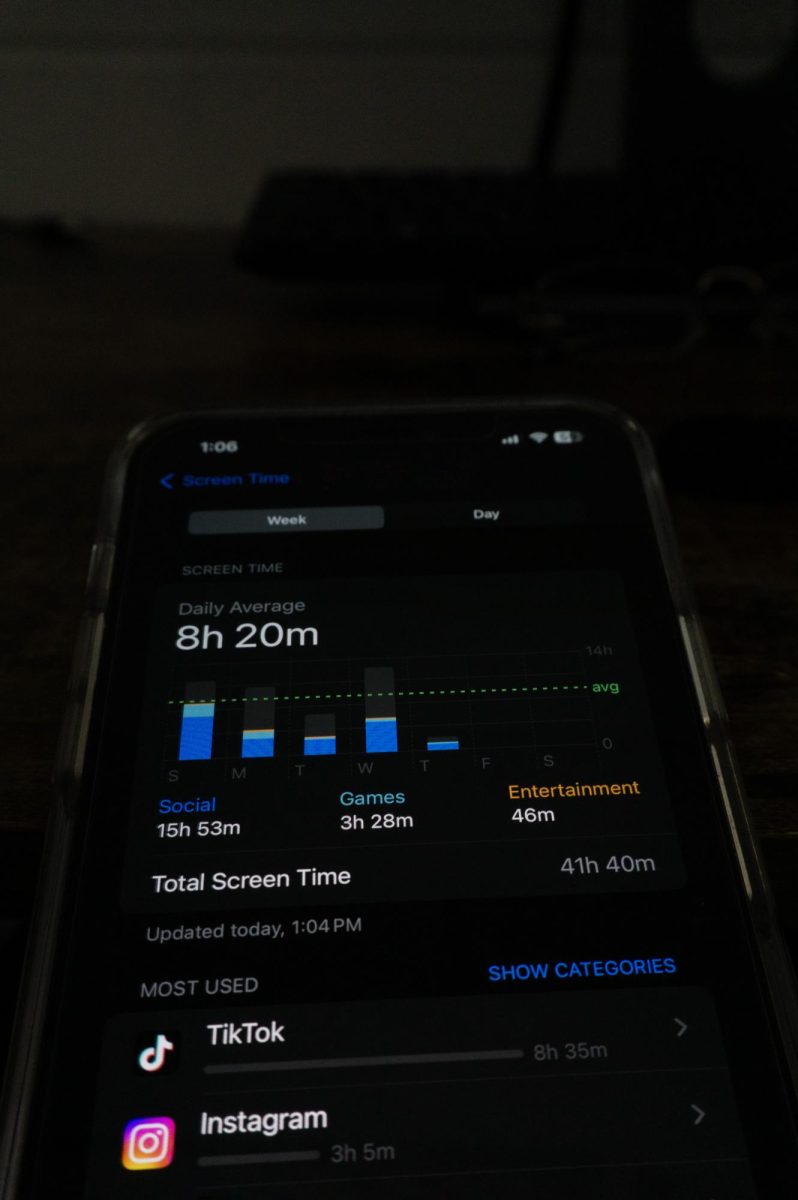
Technology has made silence even rarer. As streaming platforms, social media, and constant access to entertainment increases, there will always be something to fill the gap. Even short moments such as waiting in line, sitting in a car, or walking between classes are quickly filled with noise. Over time, this reduces the brain’s tolerance for stillness. Research from Harvard University suggests that more and more people would rather distract themselves than sit alone with their thoughts for even a few minutes. Especially teens, who already tend to experience strong emotions, this effect can be even stronger.
But silence is not the problem. Avoiding it is. Cleveland Clinic explains how spending time quietly can actually lower stress, improve focus, and help regulate emotions. When the brain has space to process thoughts, it becomes easier to understand the feelings instead of being overwhelmed by them. Silence can act like a mental reset by giving people a break from the constant stimulation. It also helps build self awareness, which is important especially during adolescence.
Silence feels uncomfortable at first because it is unfamiliar, not because it is harmful. Like any skill, learning to sit with your thoughts takes practice. But once people become more comfortable with it, silence stops feeling heavy and starts feeling helpful. It becomes a space where you can think, reflect, or just breathe, something that is increasingly rare but more important than ever.
Works Cited
American Psychological Association. “Why Our Minds Wander And Why It Matters.” American Psychological Association, www.apa.org.
Cleveland Clinic. “The Benefits of Quiet Time for Your Brain.” Cleveland Clinic Health Essentials, health.clevelandclinic.org.
Harvard University. “People Prefer Electric Shocks to Being Alone with Their Thoughts.” Harvard Gazette, www.harvard.edu.
Killingsworth, Matthew A., and Daniel T. Gilbert. “A Wandering Mind Is an Unhappy Mind.” Science, vol. 330, no. 6006, 2010, pp. 932.
National Institutes of Health. “Default Mode Network and Self Reflection.” NIH, www.nih.gov.