






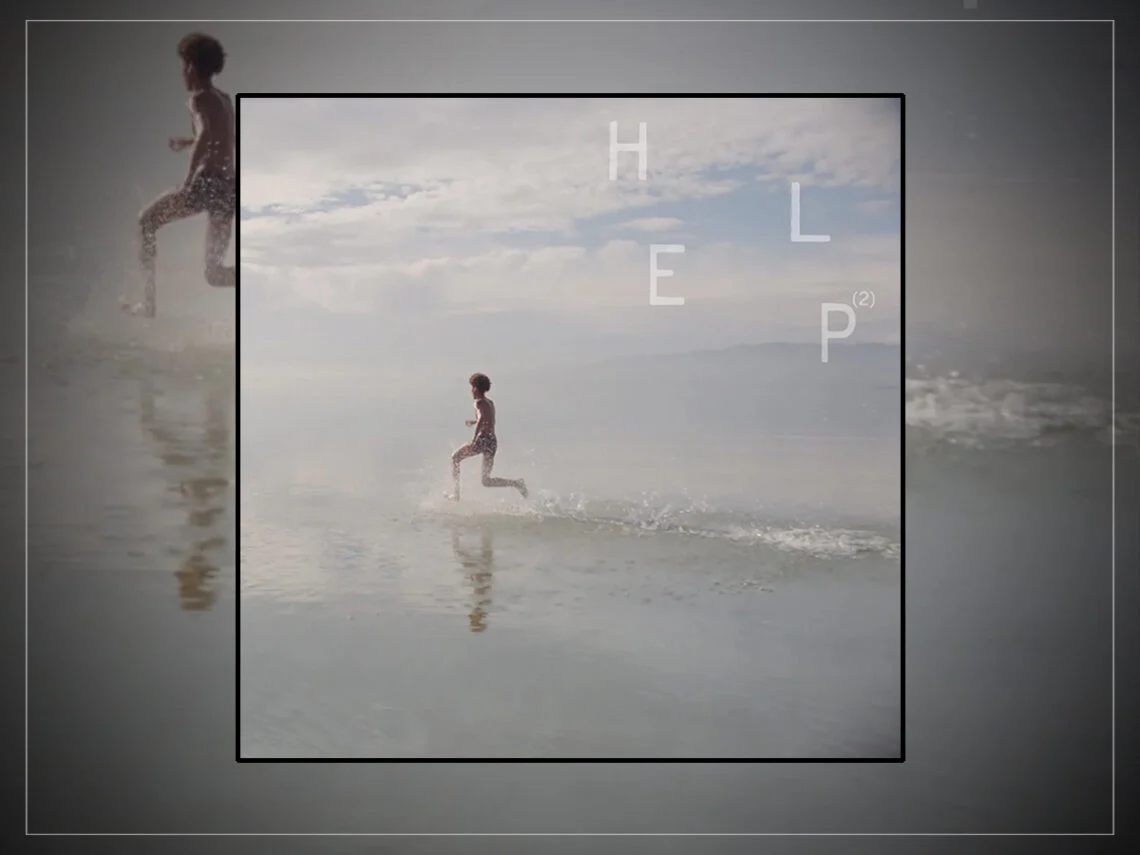
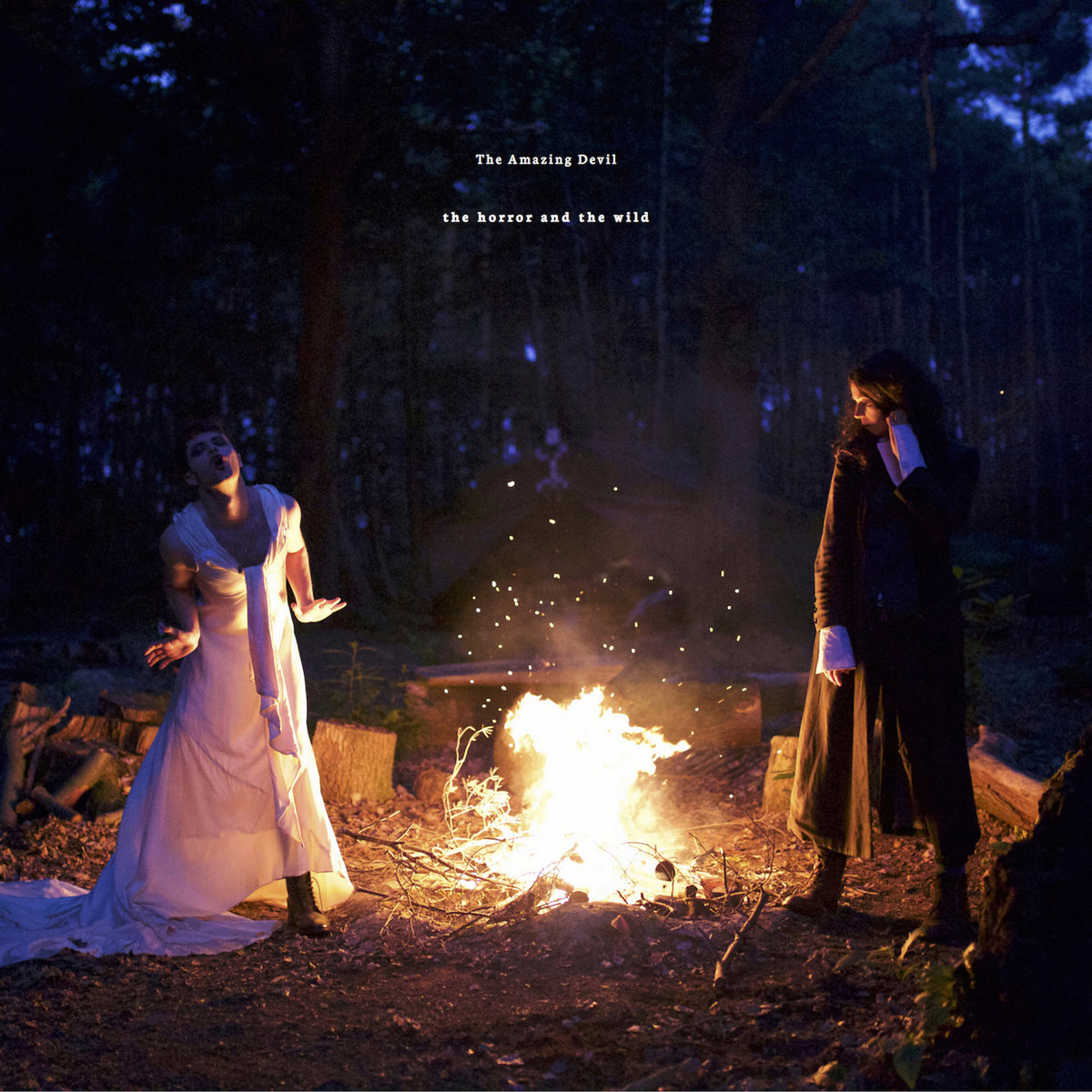








Indie folk band The Amazing Devil, composed of the duo Madeleine Hyland and Joey Batey, met as actors while working for the Royal Shakespeare Company. While on tour they bonded over their fondness of theater and developed their music during their off time. They officially formed the band in 2015 and released their debut album “Love Run” in 2016. On February 9, 2020, 4 years after their debut album, The Amazing Devil released “The Horror and The Wild”. It quickly became their most popular album and helped grow their fanbase immensely. It led to them continuing their music career and releasing another album the next year.
“The Rockrose and the Thistle”
The album starts off not with a song, but with a monologue. There are no instruments, no beat, no rhythm, just a man speaking. He tells his experience with his lover, and how she is becoming “unwoven.” The song has a lot of sewing metaphors. His lover was tightly knit, in a great mental state, but now she had become undone. He is desperately trying to fix her, to put her back together using the strands and threads that remain. As the song goes on, a woman’s voice appears in the background, growing louder and louder as the song goes on. The original voice slowly fades, leaving just the women by the end of the song. He knows he should leave her alone, that it’s probably for the best, but she is all he had. How could he lose the only person who’s ever cared for him? So despite her pleas for death, he’ll try to sew her back together. After all, he’s the only one of the two who can sew. A rockrose and a thistle, both in impossible environments, both adapted to survive despite that.
“The Horror and the Wild”
Sharing a name with the song, “The Horror and the Wild” is the second song in the album, but the first song with music. It starts with the two lovers from the song, they tell each other about their terrible parents; “You were raised by wolves and voices,” and “You’re the daughter of silent watching stones” show they both had terrible uprisings, despite the differences in their lives. But they are different. They are breaking from the cycle their families have been in. They are “rifts” and “space that’s in between,” and they’re urging each other to break free from the “stones and kings of old.” So they do, they tell their parents “remember us,” and they leave. They have brought upon the horrors that they said they would, and they’re showing their parents they are so much more than anyone expected them to be. Not only do they run, they run together, supporting each other and helping each other push through. Despite that, they know that they are deeply broken and know that they very well could cause harm to each other. They promise each other, just like they did to their parents, that they will bring harm.
“Wild Blue Yonder”
This song is a lot more up beat and fun than the last 2 songs. This reflects how the relationship between our two singers is growing and flourishing. At least that’s what the music is portraying, but the lyrics tell a different story. The way the two voices overlap creates a narrative that makes it seem that the relationship is going well, but if you listen to each individual voice, the things they are saying are negative. The woman sings about the man throwing stones, whether this is litter or not is up to interpretation, but instead of leaving she stands on them “to better see the view.” The man sings about the woman making him change his appearance, to look blonder or thinner. They both want to make the relationship work, but they can’t ignore the glaring flaws that each of them have. The beautiful love they once had is not eating them up on the inside, but being together and hurt is better than being alone and hurt. They don’t know what is out there in the wild, but it could be worse than what they have right now. So for the time being, they’ll keep holding each other tightly, even if it hurts.
“Welly Boots”
The fourth song on the album starts us off with a soft guitar, a slow sound compared to the rest of the album. A man talks to his child, and warns her that a storm is coming. She goes to grab her scarlet “welly boots” only to find them missing. He doesn’t get mad, he simply gives her a raincoat and asks that she doesn’t get herself wet. The child ponders for a moment, then asks what it’s like to die. He responds, “It’s just like falling snow,” and he assures the child that he’ll never truly be gone. As long as they are kind, he will always be there for them in the hard times. That it might seem unfair that he’s left, that he’s left her alone in a dark and unsure world, but she’s strong enough to do this on her own. Years from now she still misses him, she’s mad, sad, lonely and unsure, but then she turns around to find a brand-new pair of scarlet “welly boots.”
“Farewell Wanderlust”
The song starts with a woman, the lover, the child, as she is approached by a man. He introduces himself. He is not a name, but everything she fears, everything she hates. He is the manifestation of every horrible thing that she is, has done, will be. He knows no matter how she tries to improve herself, she always ends up making things worse, and she needs to accept that–he needs to stop running from who they both know she is. I’m sure you’ve realized by now: this man is not real. He is her worst traits personified, an image of what she fears she will become. In previous songs, it was alluded to that she was not mentally well, asking her lover if he’s heard sounds that aren’t there. This mental illness is what is talking to her, beckoning her to give in and destroy herself. She gives in; after all, it is easier than trying to fight it. Thus, she becomes everything she hates. She lets it consume her, morphing and changing her into this shell of what she was. She’s changed, dead, gone, lost. A juxtaposition, the song tells the story of both partners as they are being beckoned towards becoming their worst. The man is approached by a woman, she tells him to join her. To give into the worst parts of him, his insecurities, his lies, his faults. But he fights back, he’s not broke, he tells her, he has more to come, more to accomplish, more to do. And so he pushed her away, the personification of everything bad he is. He bids farewell to his wanderlust, deciding to settle for the good he is. And thus he is reborn, not into his worst but into his best.
“Fair”
This song is from the perspective of the male lover, telling his account of their relationship after the last song. Things have changed, just like the couple said it would, but they’ve surprisingly changed for the better. The two of them seem like a real, functional couple for possibly the first time in the album. He sings about all the little moments with her that make him love her. The ways she laughs and smiles and promises to be there for him. She laughs at his jokes and cries in his arms when she’s down. And they’re happy, and they finally know what they want, a life with each other. They use each other to reassure one another, to seem fine, but they both know they aren’t. Their relationship, their love, is real, realer than it’s ever been. But deep down, deeper than it’s ever been, they’re both not fine. They might be happy and comfortable and safe, but they’re somehow still not fine.
“That Unwanted Animal”
A retelling of “Farewell Wanderlust,” but from outside the woman’s mind. She is awoken by a wind, her husband at her side. They get up to do their daily tasks, feeding the children, making the bed. But something is different, the television is too loud, and no matter how much her husband shows her affection, she can’t seem to feel it. And thus she begins peeling–all the layers of paint that were carefully crafted in their relationship fall. Beneath them, they hear a sound, a scratching at the door. It has always been there, simply gone unnoticed. The wind picks up, she feels like she’s hanging from the air, she begs “be good to me,” but she’s not talking to her husband. She’s talking to whatever is scratching the door, and it tells her to throw a plate at the wall. She again begins listing things she believes to be, a problem ignored that has now grown, a warning that you chose to ignore, the touch you craved, the plans you made. But now those plans are falling apart, and it’s all her fault. Again she asks her husband if he can hear that scratching, no response. The door below, it splinters, and the creature creeps inside. And they fall into each other, the scratching growing so loud. And the unwanted animal is begging to be let out. They are merging, the animal is digging its way into her, and as it does, they become one. She knows this animal, this illness, disease, is a part of her. She knows she has to give in and accept it. So as she finally lets it become one with her, she simply asks “Be good to me.”
“Marbles”
Years have passed, and despite the woman’s conflicts, her deteriorating mind, the man has decided to stay with her. They reflect over their relationship, looking back at the good times. Every time they got in trouble, every time they messed up, they fixed it and stayed together. Even if their relationship was not the best, they both admit that pushing through it was impressive. Even if they both have things they dislike about one another, they still love each other. They gave each other the best years of their lives , so even if the two of them lost their “marbles,” at least they were together. They shouldn’t be mad or remorseful that the best years have gone away, they should find comfort in the person who they spent those years with. Now, all that they have left to do is wait for their time to come and spend the time together.