















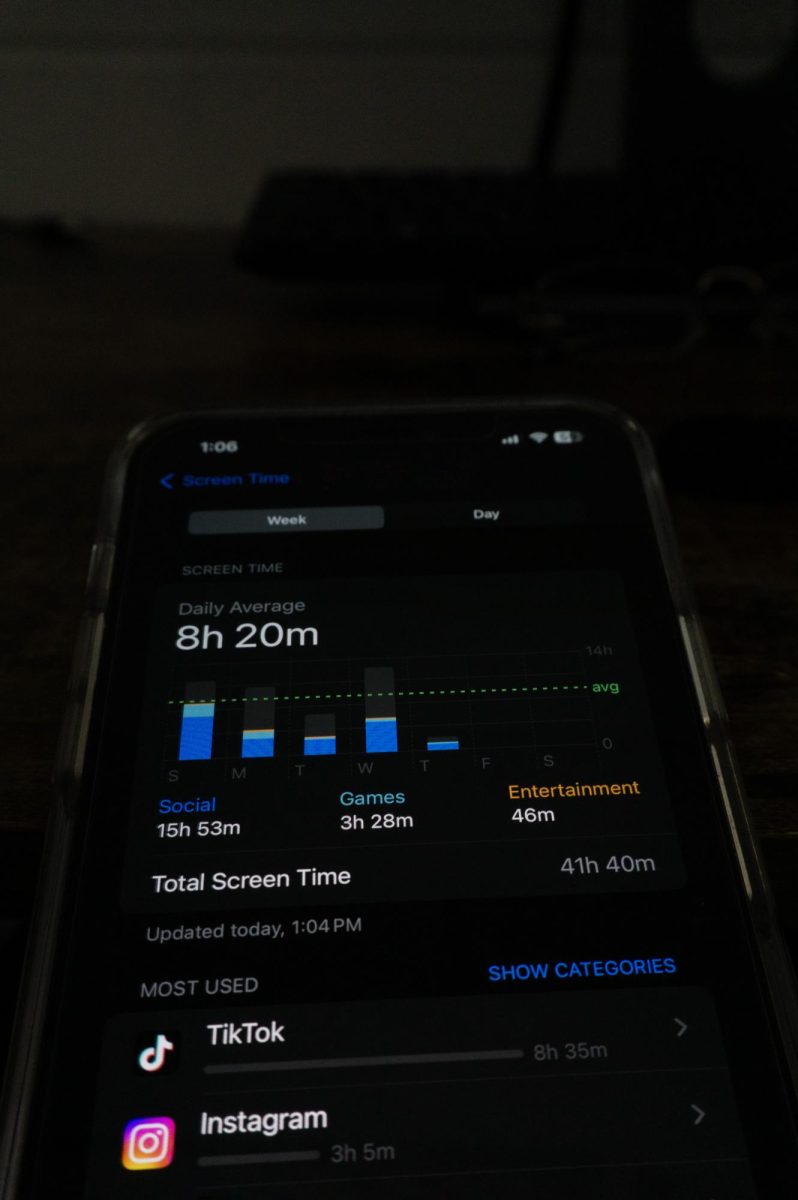






Lately, as you scroll your FYP on TikTok, you come across hundreds of young content creators-seven year old girls putting on full faces of makeup and skincare daily. The “Sephora Kid” phenomenon has taken the internet by storm, as young girls and tweens are coming into adult makeup stores and trashing samples. Toddler tantrums are going viral, and at the end, they still get what they want. Millennial moms are buying their kids iPhones and iPads, as young as four years old. These practices all have one thing in common – being spoiled at such an early age. But who’s to blame for the behavior? The kids, or the parents themselves?
Generation Alpha, or Gen Alpha for short, are the latest generation of children, and they have made quite an impact on society. This is one of the first generations to have full-fledged access to the internet. However, perception may differ on whether they are the most capable. Although they have the whole internet to their disposal, the way they use it seems to be very unsettling.
“Brain Rot” is the term coined for the effect of what seems to be the mass spread of trivial, low-quality online content. The content contains the same, lazy algorithm of popular characters doing seemingly foolish and even downright disturbing things. These actions seem to be normalized for Gen Alpha, as hundreds of thousands of videos of such are being pumped out from content farm channels–most being meaningless and even inappropriate for both children and older audiences.
Some may wonder–how do children have the chance to even use the internet like this in the first place? Everyone’s eyes wander to those who are responsible for their kids: their guardians. Device and app access is mostly mandated by parents, whether that could be their own phones or their children’s tablets.
Another question many may ponder upon: when did all of this start? The COVID-19 pandemic was a turning point for the world. Life can be defined as pre-pandemic and post-pandemic, all due to the change in lifestyle that we had because of this event. This also means the difference in lifestyle for those who were still growing up during this time period. In terms of education, schools around the world shifted to online learning and device use became an increased norm in our everyday lives. So, as devices became a necessity for us to connect to the outside world, it also became a primary use of entertainment, whether that was watching YouTube videos, Netflix shows, or playing online games. This lifestyle became a cornerstone to our daily routines, and with this dependence, certain corporations began to capitalize.
Content farm channels began to pop up, and with the emergence of AI, they began to pump out ‘slop’ content at dangerously rapid rates. These are videos that are low quality in both production and in terms of understanding it, as it takes very little processing to consume, further reducing the attention span of the young children who are consuming it. Our brains finish 90% of their development by the age of five, and spend time fine-tuning processing and prefrontal cortex development until the age of 22 (“Brain Development”). The time between 5 and 22 years of age is crucial for truly molding the brain to be able to process information from our surroundings. If the information from our surroundings is this low-quality AI content that is constantly playing on loop, then our brains won’t be able to process more complex information, like life lessons or basic communication skills.
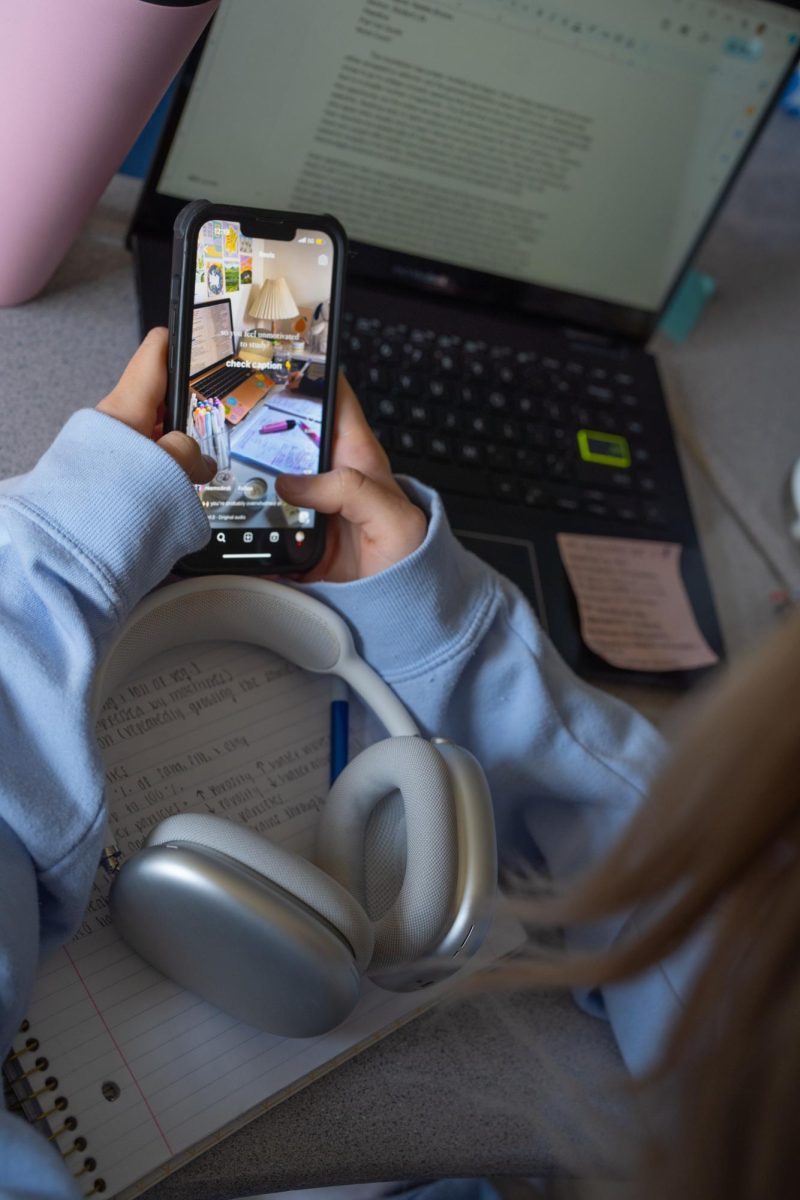
Along with these content farms shooting out content shaping very young and impressionable minds, we also have another critical factor that’s shaping kids that are older, or at least, they think to be. The preteen audience, from as young as seven years old, have fallen to the hands of social media and the culture of overconsumption. For those who are older, we know that social media has both its pros and cons, its realistic and unrealistic posts and content. However, if you are given social media from a young age, your mind won’t be able to discern the differences between expectation and reality. This was the case for tweens ages 8 to 12, as 38% of them used social media in 2021, with that number expected to exponentially increase over the coming years (“Media Use”). And with that, you will start to conform to the overconsumption presented in such videos. Whether that be excessive and unnecessary use of skincare products to buying water bottles in bulk because “the color is cute”, social media has altered the childhoods of Gen Alpha–they say for the better, but we say for the worse.
The 2023 Stanley cup craze is a key example of this, as the brand took the internet by storm with its “aesthetically pleasing” water bottles, and were later found to be made of bulky lead. Adults and, yes, children would hoard these cups, even dressing them up like dolls to show off. This could be a part of their childhood, like how dress-up was a part of ours. However, overconsumption has led to irrational spending habits for these children, with little understanding of money and what it takes to earn it. The behavior these children exhibit is irrational, as most do not understand the implications of the word no and not being able to reach the unrealistic standards social media has perpetuated on them.
Now that the factors behind this phenomenon are understood, how can we address them? The online world isn’t something we can simply snatch away as it’s now been integrated into our everyday lives. However, we can enforce measures to make sure both ourselves and Generation Alpha are not further exploited by the toxic content of the internet.
Screen time restrictions are already something parents enforce, and most children aren’t a fan of this. In order to fill in this void, introduce an activity that they may like or find interesting, or let them use that time to explore their options. A hobby is a great way to use the time that was once for mindless scrolling to instead dedicate towards an end goal or skill. It’s often a recommended distraction from the pressures of online, whether you may be a young teen escaping Snapchat or an adult needing a break from work. Speaking from personal experience, I discovered my hobby of crochet as a great way to fill in the time that I would use to scroll on social media. It has also allowed me to use social media positively by discovering other fellow crocheters and finding unique projects that I can work on next.
Another way to combat internet toxicity and prevent repetition of the cycle is educating our youth about social media and how to use it appropriately. Rather than relying on a device as an effortless means of keeping children occupied, teach them about how to use it in a way that benefits them, along with how to appropriately allocate time to social media use without falling into its black hole. It’s important not to be the helicopter parent, as that may negatively affect the relationship with the child, but someone that addresses the role that a device has.
All in all, the social spiral this generation has fallen into isn’t just theirs to blame, but the multitude of factors surrounding it that influences their behavior. However, we, as educated teenagers and adults that didn’t have to depend on device use as we grew up, can teach them the lessons we learned in our lives. We can teach them the beauties of a childhood, and how they can make it special in their own way. After all, this is a new era, so their time of fun will not be a carbon copy of ours. But as long as we provide that experience for them, where they truly smile and look back upon the memories, this new generation will be headed towards a brighter future.
Works Cited
“Brain Development.” First Things First, https://www.firstthingsfirst.org/early-childhood-matters/brain-development/. Accessed 21 November 2025.
“Media Use by Tweens and Teens.” Common Sense Media, 22 March 2022, https://www.commonsensemedia.org/sites/default/files/research/report/8-18-census-integrated-report-final-web_0.pdf. Accessed 21 November 2025.
